© Galloway Astronomy Centre 2026 All images are copyright – M Alexander unless otherwise stated
Future Events
The night sky here at any time of the year is full of beautiful sights and some surprises. Events such as auroras
or comets are unpredictable, but when visible will be highlighted on the Home Page and full details will be
posted here. As they are observed further details will be posted on the Events Page.
If you are planning a trip to the Galloway Astronomy Centre the following astronomical events may help in
deciding when to book.
This year only the Orionids and Geminids meteor showers occur with no moonlight.
2026
Year’s Highlights:
March
Zodiacal Light (evening)
12
th
April
Comet C/2025 R3 PANSTARRS
22
nd
April
Lyrid Meteor Shower
10
th
May
Moon between Jupiter and Venus
6
th
May
Eta Aquarid Meteor Shower
Summer
Noctilucent Clouds
17
th
June
Moon and Venus Conjunction
28
th
July
Delta Aquarid Meteor Shower
3
rd
Aug
Mercury greatest western elongation
12
th
Aug
Total Solar Eclipse (start 6pm, mid 7pm, end 8pm)
12
th
Aug
Perseid Meteor Shower
28
th
Aug
Lunar Eclipse (start 3.30am, mid 5am, end 6.24am)
Oct
Zodiacal Light (evening)
7
th
Oct
Draconid Meteor Shower
21
st
Oct
Orionid Meteor Shower
2
nd
Nov
Moon with Mars and Jupiter
13
th
Dec
Geminid Meteor Shower
21
st
Dec
Ursid meteor Shower
For BST time add 1 hour to UT when applicable (30th March to 26th Oct)
2026 Comets
Most comets do not show much of a tail and look like round fuzzy blobs.
In dark skies with little light pollution a 7th magnitude (mag) comet should be visible in binoculars or small
telescope. A 5th mag comet or brighter will be visible to the unaided eye.
A comet is highly unpredictable and can brighten or fade rapidly so it is worth watching it on a regular basis
Details of comets and track maps can be found on the COMETS page.
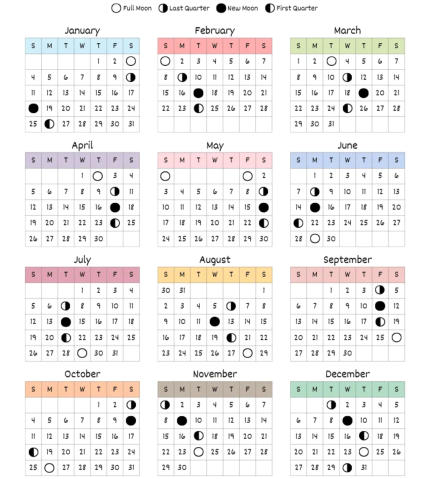
Moon Phases 2026
5 Days either side of the New Moon will always give the darkest skies. This is needed for seeing fainter nebulae
and galaxies. Planets (when visible) and brighter star clusters can be viewed at any phase of the Moon.



















“It’s the best view I’ve ever had”
In memory of Prof Ian Morison (22 Nov 1943–13 Apr 2024)



© Galloway Astronomy Centre 2026
All images are copyright – M Alexander unless otherwise stated
Future Events
The night sky here at any time of the year is full of
beautiful sights and some surprises. Events such as
auroras or comets are unpredictable, but when visible
will be highlighted on the Home Page and full details will
be posted here. As they are observed further details will
be posted on the Events Page.
If you are planning a trip to the Galloway Astronomy
Centre the following astronomical events may help in
deciding when to book.
2026
Year’s Highlights:
March
Zodiacal Light (evening)
12
th
April
Comet C/2025 R3 PANSTARRS
22
nd
April Lyrid Meteor Shower
10
th
May
Moon between Jupiter and Venus
6
th
May
Eta Aquarid Meteor Shower
Summer
Noctilucent Clouds
17
th
June Moon and Venus Conjunction
28
th
July
Delta Aquarid Meteor Shower
3
rd
Aug
Mercury greatest western elongation
12
th
Aug
Total Solar Eclipse (start 6pm, end 8pm)
12
th
Aug
Perseid Meteor Shower
28
th
Aug
Lunar Eclipse (start 3.30am, end 6.24am)
Oct
Zodiacal Light (evening)
7
th
Oct
Draconid Meteor Shower
21
st
Oct
Orionid Meteor Shower
2
nd
Nov
Moon with Mars and Jupiter
13
th
Dec
Geminid Meteor Shower
21
st
Dec Ursid meteor Shower
For BST time add 1 hour to UT when applicable (30th March to
26th Oct)
2026 Comets
Most comets do not show much of a tail and look like round
fuzzy blobs.
In dark skies with little light pollution a 7th magnitude (mag)
comet should be visible in binoculars or small telescope. A 5th
mag comet or brighter will be visible to the unaided eye.
A comet is highly unpredictable and can brighten or fade rapidly
so it is worth watching it on a regular basis
Details of comets and track maps can be found on the COMETS
page.
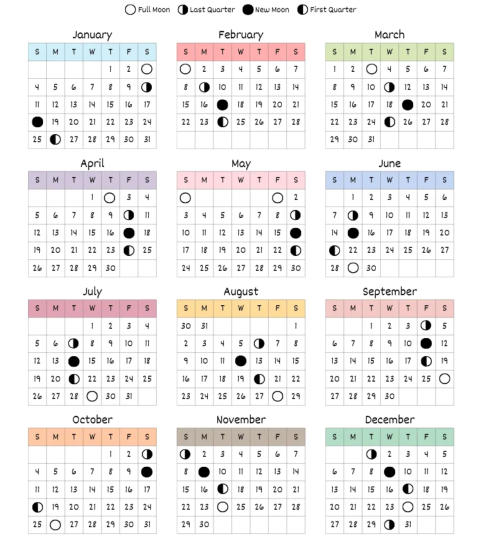
Moon Phases 2026
5 Days either side of the New Moon will always give the darkest
skies. This is needed for seeing fainter nebulae and galaxies.
Planets (when visible) and brighter star clusters can be viewed
at any phase of the Moon.


“It’s the best view I’ve ever had”
In memory of Prof Ian Morison (22 Nov 1943–13 Apr 2024)




Future Events
The night sky here at any time of the year is full of beautiful sights
and some surprises. Events such as auroras or comets are
unpredictable, but when visible will be highlighted on the Home
Page and full details will be posted here. As they are observed
further details will be posted on the Events Page.
If you are planning a trip to the Galloway Astronomy Centre the
following astronomical events may help in deciding when to book.
This year only the Orionids and Geminids meteor showers occur
with no moonlight.
2026
Year’s Highlights:
March
Zodiacal Light (evening)
12
th
April
Comet C/2025 R3 PANSTARRS
22
nd
April
Lyrid Meteor Shower
10
th
May
Moon between Jupiter and Venus
6
th
May
Eta Aquarid Meteor Shower
Summer
Noctilucent Clouds
17
th
June
Moon and Venus Conjunction
28
th
July
Delta Aquarid Meteor Shower
3
rd
Aug
Mercury greatest western elongation
12
th
Aug
Total Solar Eclipse (start 6pm, mid 7pm, end 8pm)
12
th
Aug
Perseid Meteor Shower
28
th
Aug
Lunar Eclipse (start 3.30am, mid 5am, end 6.24am)
Oct
Zodiacal Light (evening)
7
th
Oct
Draconid Meteor Shower
21
st
Oct
Orionid Meteor Shower
2
nd
Nov
Moon with Mars and Jupiter
13
th
Dec
Geminid Meteor Shower
21
st
Dec
Ursid meteor Shower
For BST time add 1 hour to UT when applicable (30th March to 26th
Oct)
2026 Comets
Most comets do not show much of a tail and look like round fuzzy
blobs.
In dark skies with little light pollution a 7th magnitude (mag) comet
should be visible in binoculars or small telescope. A 5th mag comet
or brighter will be visible to the unaided eye.
A comet is highly unpredictable and can brighten or fade rapidly so
it is worth watching it on a regular basis
Details of comets and track maps can be found on the COMETS
page
Moon Phases 2026
5 Days either side of the New Moon will always give the darkest
skies. This is needed for seeing fainter nebulae and galaxies.
Planets (when visible) and brighter star clusters can be viewed at
any phase of the Moon.

“It’s the best view I’ve ever had”
In memory of Prof Ian Morison (22 Nov 1943–13 Apr 2024)